
Best Back Workout: Top Back Day Exercises for Strength, Muscle Development & Better Training Performance
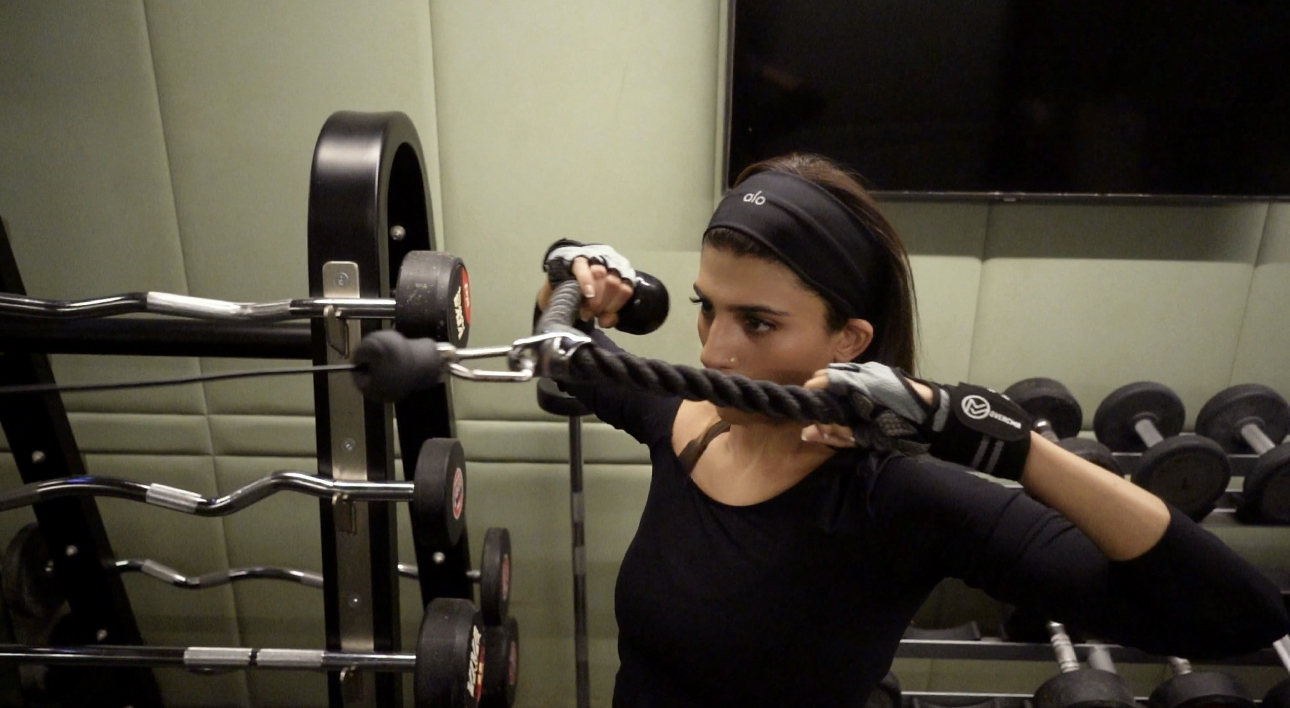
Whether your goal is muscle development, improved pulling strength, or a more complete training routine, incorporating the right back exercises can help you make consistent progress over time.
This guide covers some of the best back exercises, common training mistakes, recovery tips, and how fitness accessories such as lifting straps and gym gloves can support your workouts.
Why Back Training Matters
Your back consists of several major muscle groups, including the latissimus dorsi (lats), trapezius (traps), rhomboids, rear deltoids, and spinal erectors. Together, these muscles contribute to upper-body strength, stability, and movement.
Regular back training may help:
- Support balanced muscular development
- Contribute to stronger pulling movements
- Improve exercise performance across various lifts
- Strengthen postural muscles
- Enhance overall training capacity
For individuals following a strength training or muscle-building program, back workouts are an essential part of a well-rounded routine.
Best Back Exercises for Strength and Muscle Development
1. Deadlifts
Deadlifts are one of the most widely used compound exercises in strength training programs. They engage multiple muscle groups simultaneously, including the back, glutes, hamstrings, and core.
Recommended Sets & Reps:
4 sets of 5–8 reps
Benefits:
- Develops full-body strength
- Challenges multiple muscle groups
- Supports progressive overload training
2. Pull-Ups
Pull-ups are a classic bodyweight exercise that primarily target the lats while also engaging the arms and upper back.
Recommended Sets & Reps:
4 sets of 8–12 reps
Benefits:
- Supports upper-body strength development
- Challenges grip strength
- Targets the lats effectively
3. Bent-Over Barbell Rows
Barbell rows are commonly included in back workout routines to target the middle and upper back.
Recommended Sets & Reps:
4 sets of 8–10 reps
Benefits:
- Targets multiple back muscles
- Supports balanced upper-body development
- Complements vertical pulling exercises
4. Lat Pulldowns
Lat pulldowns are a popular machine-based exercise suitable for beginners and experienced lifters alike.
Recommended Sets & Reps:
3–4 sets of 10–12 reps
Benefits:
- Emphasizes the lat muscles
- Provides a controlled movement pattern
- Useful for individuals working toward pull-ups
5. Seated Cable Rows
Seated cable rows provide consistent resistance throughout the movement and are often included in hypertrophy-focused programs.
Recommended Sets & Reps:
3 sets of 10–12 reps
Benefits:
- Targets the middle back
- Encourages controlled movement
- Complements vertical pulling exercises
6. Single-Arm Dumbbell Rows
This unilateral exercise allows each side of the body to work independently.
Recommended Sets & Reps:
3 sets of 10 reps per side
Benefits:
- Encourages balanced development
- Allows focus on individual sides
- Suitable for a wide range of experience levels
7. Face Pulls
Face pulls are frequently used to train the rear shoulders and upper back.
Recommended Sets & Reps:
3 sets of 12–15 reps
Benefits:
- Targets the upper back
- Complements pressing-focused training programs
- Supports shoulder-focused training routines
Sample Back Day Workout Routine
If you’re looking for a complete back day workout, consider the following structure:
- Deadlifts – 4 × 6
- Pull-Ups – 4 × 10
- Bent-Over Rows – 4 × 8
- Lat Pulldowns – 3 × 12
- Seated Cable Rows – 3 × 12
- Face Pulls – 3 × 15
Adjust exercise selection, volume, and intensity based on your individual experience level, recovery, and training goals.
Common Back Workout Mistakes
Using Excessive Momentum
Controlled repetitions generally allow better focus on the target muscles and movement pattern.
Ignoring Range of Motion
Performing exercises through an appropriate range of motion can help maximize the effectiveness of each repetition.
Prioritizing Weight Over Technique
Increasing training loads is an important aspect of strength training, but maintaining proper technique should remain a priority.
Overlooking Grip Strength
For many pulling exercises, grip can become a limiting factor during challenging sets.
Supporting Your Training with the Right Equipment
Training accessories can play a useful role in improving comfort and consistency during workouts.
Overcmr Lifting Straps
Exercises such as deadlifts, rows, rack pulls, and pull-ups place significant demands on the hands and forearms. For some lifters, grip fatigue may become a limiting factor during higher-volume or heavier training sessions.
Overcmr Lifting Straps are designed to provide additional grip support during pulling exercises, helping users maintain their hold on the bar while focusing on proper technique and execution.
Overcmr Gym Gloves
Overcmr Gym Gloves provide additional grip and cushioning during training sessions. They may also help reduce friction on the hands during repetitive lifting movements.
Together, these accessories can support a more comfortable training experience for gym-goers, strength athletes, and fitness enthusiasts.
Recovery Tips After Back Workouts
Training is only one part of the process. Recovery also plays an important role in long-term progress and performance.
Prioritize Protein Intake
Protein contributes to the maintenance and growth of muscle mass. Individual requirements vary depending on body weight, activity level, and overall nutrition.
Common protein sources include:
- Eggs
- Chicken
- Fish
- Greek yogurt
- Paneer
- Tofu
- Lentils
- Whey protein
Stay Hydrated
Proper hydration supports normal bodily functions and exercise performance.
Consider maintaining consistent fluid intake throughout the day and replenishing fluids lost during training.
Get Adequate Sleep
Sleep is an important component of recovery and overall well-being.
Many fitness professionals recommend aiming for 7–9 hours of sleep per night, though individual needs may vary.
Include Mobility and Stretching
Mobility work and stretching can be incorporated into a training routine to support movement quality and overall flexibility.
Popular post-workout options include:
- Child’s Pose
- Cat-Cow Stretch
- Lat Stretch
- Seated Forward Fold
- Thread-the-Needle Stretch
Active Recovery
Light activities such as walking, cycling, yoga, or mobility sessions can be included on rest days depending on individual preferences and recovery needs.
Frequently Asked Questions
What is the best back exercise for strength?
There is no single best exercise for everyone. Deadlifts, pull-ups, rows, and lat pulldowns are among the most commonly used exercises in strength and hypertrophy programs.
How often should I train my back?
Training frequency depends on your overall program, recovery capacity, and goals. Many people include direct back training one to two times per week.
Can lifting straps support strength training?
Lifting straps can provide additional grip support during pulling exercises such as deadlifts and rows. They are commonly used by strength athletes and gym-goers during challenging training sessions.
Are gym gloves useful for workouts?
Many people use gym gloves for additional grip, comfort, and cushioning during weight training exercises.
Final Thoughts
Back training is an important part of any balanced fitness routine. By incorporating compound movements, focusing on proper technique, and training consistently, you can continue working toward your individual strength and fitness goals.
Pairing your workouts with reliable training accessories can also enhance comfort and consistency during your sessions. OverCMR’s range of lifting straps, gym gloves, and fitness accessories is designed for individuals who want dependable equipment to support their training journey.
Whether you’re a beginner building foundational strength or an experienced lifter refining your routine, a well-structured back workout can be a valuable addition to your fitness program.


Great content! Keep up the good work!