Top Chest Day Exercises: The Ultimate Chest Workout for Strength and Muscle Growth
The Complete Chest Workout Guide for Maximum Growth
A powerful chest is one of the most sought-after goals among gym-goers. Beyond aesthetics, strong chest muscles contribute significantly to upper-body strength, athletic performance, and everyday functionality. Whether you’re pushing a heavy barbell, playing sports, or simply carrying groceries, your chest muscles play an important role.
The chest is primarily made up of the pectoralis major and pectoralis minor. To achieve balanced development, it’s important to target the upper, middle, and lower portions of the chest through a variety of exercises and movement patterns.
In this guide, we’ll cover the best chest day exercises, common training mistakes, workout tips, nutrition recommendations, and how the right gym accessories from OverCMR can help enhance your training experience.
Why Chest Training Matters
While a well-developed chest is often associated with aesthetics, the benefits go far beyond appearance.
Increased Upper-Body Strength
Chest exercises strengthen the pushing muscles of the body, improving performance during bench presses, overhead movements, sports activities, and functional tasks.
Better Athletic Performance
Athletes involved in sports such as football, basketball, tennis, cricket, swimming, and combat sports rely heavily on chest strength for explosive power and stability.
Improved Physique
A balanced and muscular chest contributes to a stronger, more proportionate upper body while enhancing overall confidence.
Greater Functional Fitness
Everyday activities involving pushing, lifting, carrying, and moving objects become easier with stronger chest muscles.
Understanding Your Chest Muscles
The chest consists primarily of two muscles: the pectoralis major and pectoralis minor. While the pectoralis major is responsible for most chest size and strength, the pectoralis minor assists with shoulder movement and stability.
For balanced chest muscle growth, it’s beneficial to include exercises that target:
- Upper chest (clavicular head)
- Middle chest (sternal head)
- Lower chest (costal fibers)
Incorporating a variety of pressing and fly movements can help develop strength, muscle mass, and overall chest symmetry.
Best Chest Day Exercises
1. Barbell Bench Press
The bench press remains one of the most effective chest day exercises for building chest size and strength. It primarily targets the pectorals while also engaging the shoulders and triceps.
Recommended Sets & Reps:
- 4 sets of 6–8 reps
Benefits:
- Maximum strength development
- Excellent muscle-building potential
- Easy to progressively overload
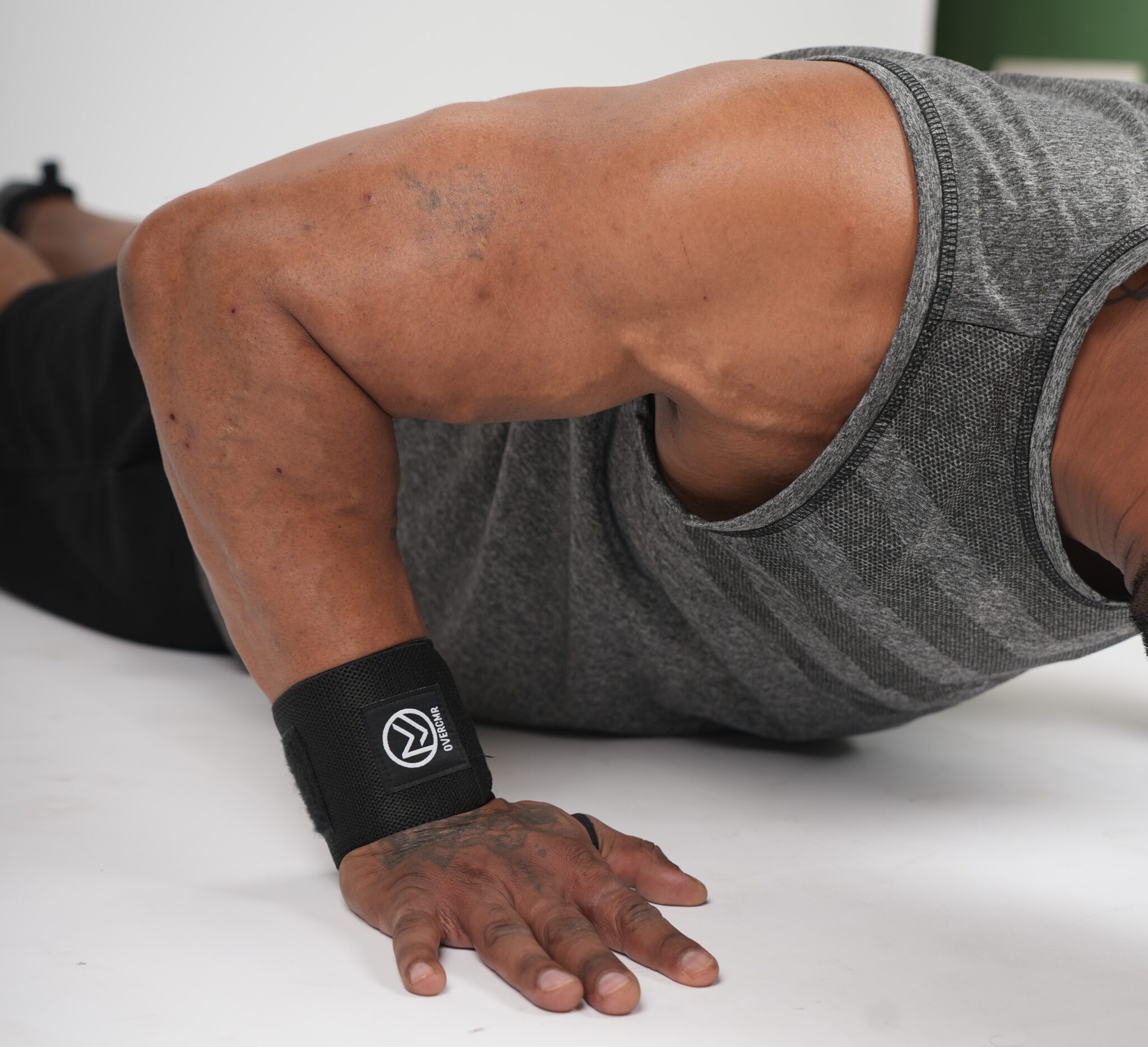
As training loads increase, maintaining wrist stability becomes increasingly important. Many lifters choose supportive accessories such as OverCMR Wrist Wraps to help maintain comfortable wrist positioning during heavier pressing sessions.
2. Incline Dumbbell Press
The incline dumbbell press places greater emphasis on the upper chest, making it one of the best upper chest exercises for creating a fuller and more balanced appearance.
Recommended Sets & Reps:
- 4 sets of 8–10 reps
Benefits:
- Develops upper pectorals
- Improves muscle symmetry
- Allows greater range of motion
3. Flat Dumbbell Press
Using dumbbells allows each arm to move independently, encouraging balanced development and deeper muscle activation.
Recommended Sets & Reps:
- 3 sets of 10 reps
Benefits:
- Enhances muscle control
- Corrects strength imbalances
- Increases chest activation
Using quality gym gloves can improve grip and comfort during higher-volume dumbbell workouts, allowing lifters to focus on proper execution and muscle engagement.
4. Chest Dips
Chest-focused dips are highly effective for targeting the lower chest while simultaneously strengthening the shoulders and triceps.
Recommended Sets & Reps:
- 3 sets of 10–12 reps
Benefits:
- Builds lower chest thickness
- Improves functional strength
- Requires minimal equipment
5. Cable Fly
Cable flys provide constant tension throughout the movement, maximizing chest contraction and muscle engagement.
Recommended Sets & Reps:
- 3 sets of 12–15 reps
Benefits:
- Excellent isolation exercise
- Improves chest definition
- Enhances mind-muscle connection
6. Pec Deck Flys
This machine-based exercise isolates the chest and works well as a finishing movement at the end of a chest workout routine.
Recommended Sets & Reps:
- 3 sets of 12–15 reps
Benefits:
- Maintains constant tension
- Beginner-friendly
- Effective for hypertrophy
7. Push-Ups
Push-ups remain one of the most versatile and effective bodyweight chest exercises available.
Recommended Sets & Reps:
- 3 sets to failure
Benefits:
- Builds muscular endurance
- Requires no equipment
- Can be modified for all fitness levels
Sample Chest Day Workout Routine
For those looking for a structured chest day workout, try this balanced routine:
- Barbell Bench Press – 4 × 6
- Incline Dumbbell Press – 4 × 8
- Flat Dumbbell Press – 3 × 10
- Chest Dips – 3 × 12
- Cable Flyes – 3 × 15
- Pec Deck Flyes – 3 × 15
- Push-Ups – 3 sets to failure
This combination effectively targets all areas of the chest while balancing strength and hypertrophy training.
Common Chest Training Mistakes
Lifting Too Heavy
One of the biggest mistakes lifters make is choosing weights that are too heavy at the expense of proper form. Focus on controlled repetitions and full muscle engagement rather than simply moving the maximum weight possible.
Neglecting the Upper Chest
Many gym-goers spend most of their chest training performing flat bench presses while overlooking incline exercises. Including incline dumbbell presses and incline bench variations can significantly improve overall chest development.
Incomplete Range of Motion
Partial repetitions may allow you to lift more weight, but they limit muscle activation and reduce growth potential.
Ignoring Wrist Stability
Heavy pressing movements place substantial stress on the wrists. Supporting your wrists during heavy lifts can help improve stability and overall lifting comfort.
Training Chest Too Frequently
Muscles need time to recover and adapt after intense workouts. For many individuals, training chest one or two times per week is sufficient.
Skipping Warm-Ups
A proper warm-up improves blood flow, activates muscles, increases mobility, and helps prepare the body for training.
Not Focusing on Mind-Muscle Connection
Slowing down your repetitions and consciously engaging the chest muscles throughout each movement can improve exercise quality and training outcomes.
Why Use Wrist Wraps and Gym Gloves for Chest Workouts?
Chest day often revolves around heavy pressing exercises. Bench presses, incline presses, and weighted dips can place considerable stress on the wrists, forearms, and hands, especially as weights increase.
OverCMR Wrist Wraps
OverCMR Wrist Wraps are designed to provide additional wrist support during pressing movements.
Benefits include:
- Better wrist support during bench presses
- Designed to provide additional wrist support during heavy lifting sessions
- Enhanced comfort and confidence
- May help improve comfort during higher-volume training sessions
OverCMR Gym Gloves
For those who train regularly, OverCMR Gym Gloves provide grip enhancement, comfort, and hand protection.
Benefits include:
- Improved grip on barbells and dumbbells
- Protection against blisters and calluses
- Increased comfort during longer workouts
- Better control during pressing movements
Together, these accessories can help athletes stay focused on performance while minimizing distractions caused by discomfort.
Nutrition Tips for Chest Muscle Growth
Even the most effective chest workout program cannot produce optimal results without proper nutrition.
Consume Adequate Protein
Protein is essential for muscle repair and growth. Include quality protein sources such as chicken, fish, eggs, dairy products, tofu, legumes, and lean meats in your diet.
Many active individuals aim for approximately 1.6–2.2 grams of protein per kilogram of body weight daily, although individual nutritional requirements can vary based on age, training volume, body composition, and personal goals.
Don’t Fear Carbohydrates
Complex carbohydrates such as oats, brown rice, fruits, and sweet potatoes help fuel performance and support recovery.
Include Healthy Fats
Healthy fats support overall health and play an important role in maintaining normal hormone function.
Stay Hydrated
Hydration directly impacts workout performance, recovery, and muscle function.
Time Your Nutrition Wisely
Consuming a meal containing protein and carbohydrates before and after training can support workout performance and recovery.
Prioritize Recovery and Sleep
Aim for 7–9 hours of quality sleep each night to support recovery and overall athletic performance.
Maintain Consistency
The most effective nutrition plan is one that can be followed consistently over time.
Why Fitness Enthusiasts Choose OverCMR
At OverCMR, we believe quality training deserves quality equipment. Our range of fitness accessories is designed for athletes, gym-goers, and fitness enthusiasts seeking reliable performance and durability.
From Wrist Wraps and Gym Gloves to Lifting Straps and Yoga Mats, OverCMR products are designed to support your fitness journey.
Whether your goal is building muscle, improving strength, or enhancing overall fitness, the right equipment can help you train smarter and more comfortably.
Frequently Asked Questions
What are the best chest day exercises for muscle growth?
Compound movements such as the bench press, incline dumbbell press, and chest dips are highly effective for building strength and muscle mass. Isolation exercises such as cable flyes and pec deck flyes can further support muscle development.
How many chest exercises should I do in one workout?
Most chest workouts include 4–6 exercises that combine both compound and isolation movements. The ideal volume depends on training experience and recovery capacity.
How often should I train chest?
For many individuals, training chest one or two times per week provides sufficient stimulus while allowing adequate recovery.
Are wrist wraps useful for chest workouts?
Wrist wraps can provide additional support during pressing movements such as bench presses and incline presses, particularly when training with heavier weights.
Final Thoughts
Building a stronger chest requires more than simply bench pressing every week. A successful chest training program combines compound lifts, isolation exercises, proper technique, progressive overload, adequate recovery, and smart nutrition.
By incorporating the chest day exercises outlined above, focusing on proper technique, prioritizing recovery, and using supportive accessories such as OverCMR Wrist Wraps and Gym Gloves, you can create a strong foundation for progressive strength gains and long-term fitness success.
Remember, great physiques aren’t built overnight. Consistency, patience, and dedication remain the keys to achieving lasting results.
Editorial Note
This article is intended for educational and informational purposes only. Exercise recommendations should be adapted to individual fitness levels, experience, and health considerations. If you are new to resistance training or have existing medical concerns, consult a qualified fitness professional or healthcare provider before beginning a new exercise program.